Email:info@kyntopsports.com
  هاتف.: +86 159 159 639 53168 (واتساب / فايبر / وي شات)



How to Choose the Right Foam Roller: A Buyer's Guide for Fitness Brands and Distributors
发布时间:2026-03-03浏览量:116
Key Factors to Consider When Sourcing High-Quality Foam Rollers for Your Brand
As the global fitness and sports recovery market continues to expand, foam rollers have become essential tools for athletes, physical therapists, and everyday fitness enthusiasts. With a projected market growth from USD 1.1 billion in 2026 to USD 2.2 billion by 2033, more brands are looking to source foam rollers for their product lines. However, choosing the right foam roller – and the right OEM partner – requires careful consideration of several key factors.
This guide breaks down the essential aspects of foam roller selection to help you make informed sourcing decisions.
1. Material Quality: The Foundation of Performance
The material used in a foam roller directly determines its durability, safety, and user experience. When evaluating foam rollers, pay close attention to the raw material composition.
What to look for:
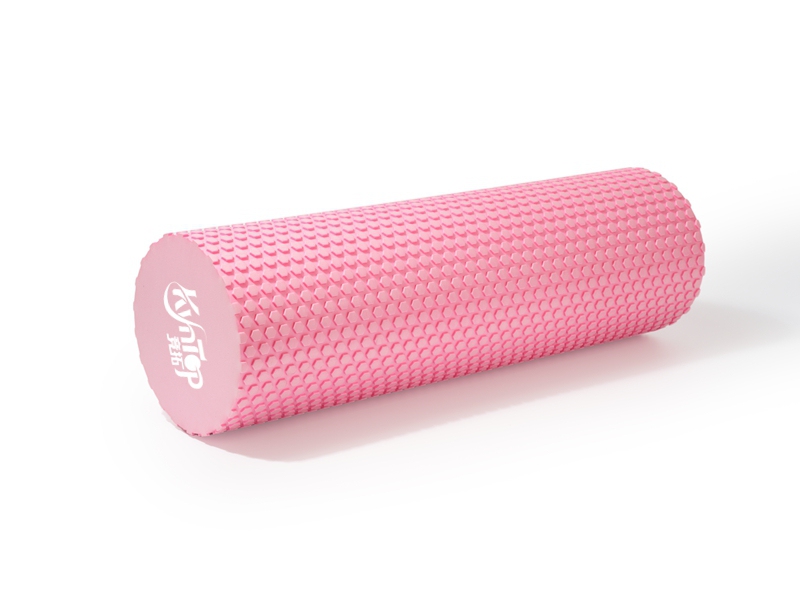
- 100% virgin EVA material – offers superior resilience, consistent density, and brighter true-to-sample colors
- No calcium carbonate filler – fillers weaken the material, cause premature cracking, and result in dull, uneven colors
- Closed-cell foam structure – prevents moisture absorption, making the roller easy to clean and resistant to sweat damage
- Eco-friendly and non-toxic – ensure the product is free from harmful chemicals and latex, especially for sensitive users
Red flags to avoid:
- Recycled materials – often lead to inconsistent density, unpleasant odors, and shorter product lifespan
- Added fillers – reduce elasticity and cause crumbling or flaking over time
2. Density and Hardness: Matching the Right Feel to the Right Use
Foam roller hardness is measured by density, typically classified as low, medium, or high. Each level serves different user needs.
| Density | Hardness Level | Best For |
| Low density (soft) | Gentle compression | Beginners, seniors, post-injury recovery, sensitive areas |
| Medium density | Balanced feel | General muscle soreness, everyday use, yoga and Pilates |
| High density (firm) | Deep tissue stimulation | Athletes, chronic muscle tightness, trigger point therapy |
Pro tip for brands: Offering multiple hardness levels within your product line allows you to serve a wider customer base, from casual users to professional athletes.
3. Surface Texture: From Smooth to Aggressive
The surface texture of a foam roller affects both the sensation and the therapeutic effect. Different textures provide varying levels of grip and pressure.
Common texture options:
- Smooth surface – gentle, ideal for beginners and restorative practices
- Mesh / grid pattern (large or small grid) – provides moderate grip and light myofascial release
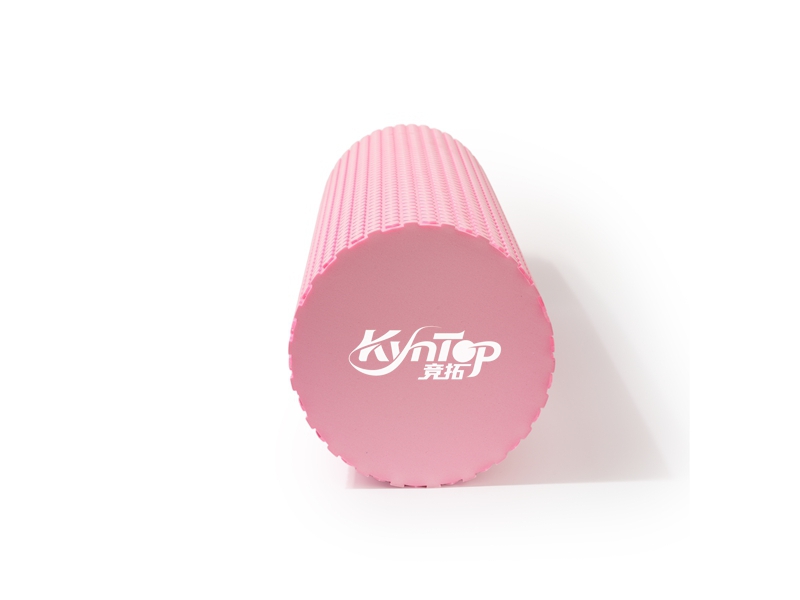
- Hexagonal / honeycomb pattern – balanced pressure distribution, popular for general use
- Small bubble points / knobs – offers targeted pressure for trigger point release
- Ridges or grooves – simulates hands-on massage for deeper penetration
What to consider:
- A roller with more aggressive textures is better for deep tissue work but may be too intense for sensitive users. Offering a range of textures allows your customers to choose based on their comfort level and recovery needs.
4. Shape and Construction: Integrated vs. Spliced
Foam rollers come in various shapes and construction methods, each affecting durability and performance.
Construction types:
- Integrated molded (one-piece) – superior durability, no seams or glue, consistent density throughout, and longer lifespan. This is the premium option for brands that prioritize quality.
- Spliced or glued – multiple pieces joined together. These are cheaper but prone to separation, uneven surfaces, and premature failure.
Shape options:
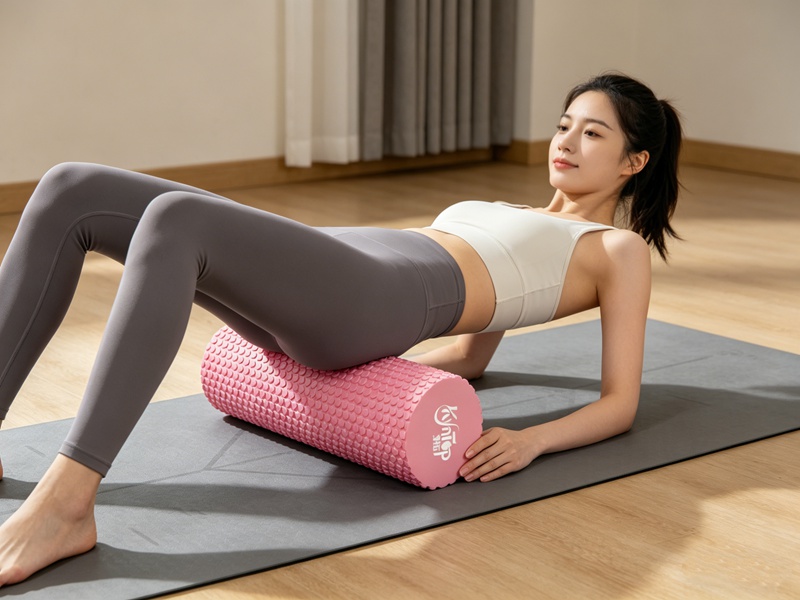
- Standard cylindrical rollers – most common, suitable for full-body use
- Half-round / flat-sided rollers – designed for balance training and targeted stability work
- Hourglass / curved rollers – contoured to follow the spine for back and neck release
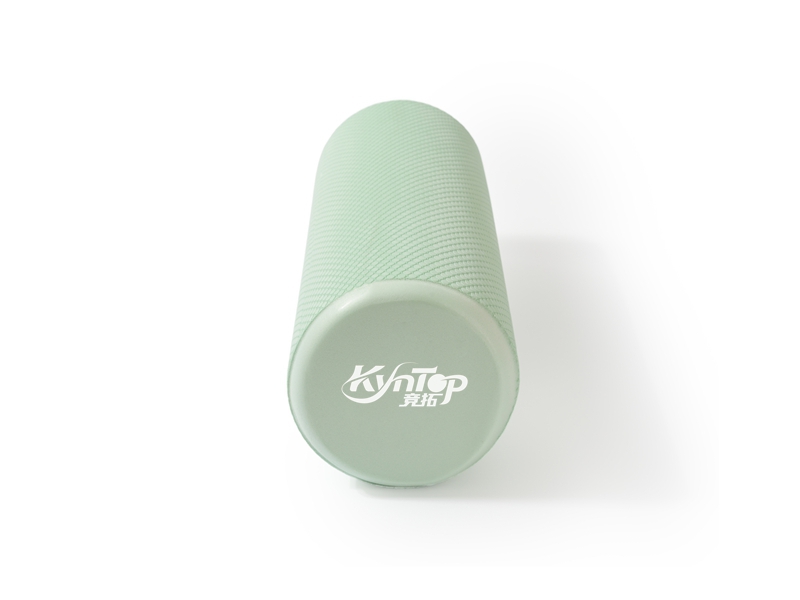
- End cap design: Chamfered (beveled) edges provide a smoother rolling experience without sharp stops, while non-chamfered edges offer maximum contact pressure for precise targeting.
5. Dimensions: Length and Diameter Matter
The size of a foam roller determines which body parts it can effectively target.
Length options:
- 30cm (12 inches) – compact, portable, ideal for travel or targeting small areas (calves, arms)
- 45cm (18 inches) – versatile, works well for back, thighs, and shoulders
- 60cm (24 inches) – most popular all-purpose length, suitable for full-body use
- 90cm (36 inches) – extra-long, often used for spinal alignment and Pilates
Diameter options:
- Small diameter (9.8cm / 4 inches) – provides deeper, more targeted pressure; good for smaller body parts
- Medium diameter (12cm / 5 inches) – standard, balanced between comfort and intensity
- Large diameter (15cm / 6 inches) – distributes pressure over a wider area, feels less intense, good for beginners and larger muscle groups
- Sourcing tip: Offering a range of sizes allows your customers to build a complete recovery kit and increases average order value.
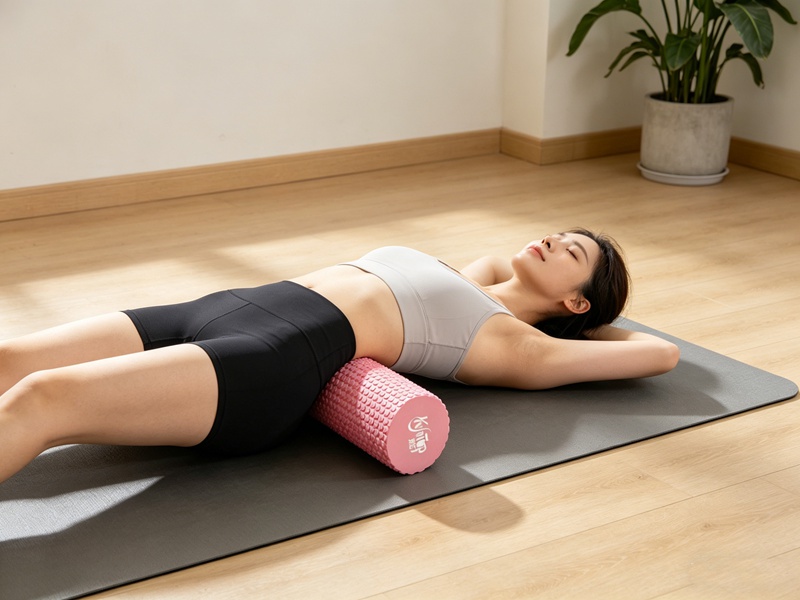
6. Weight and Consistency
The weight of a foam roller correlates with its density and material quality. Heavier rollers typically indicate higher density and better material quality – but this is not always linear. What matters most is consistency across production batches.
A reliable OEM/ODM manufacturer should be able to:
- Precisely reproduce the weight of your original sample
- Maintain tight tolerances across all production runs
- Provide documentation of quality control checks
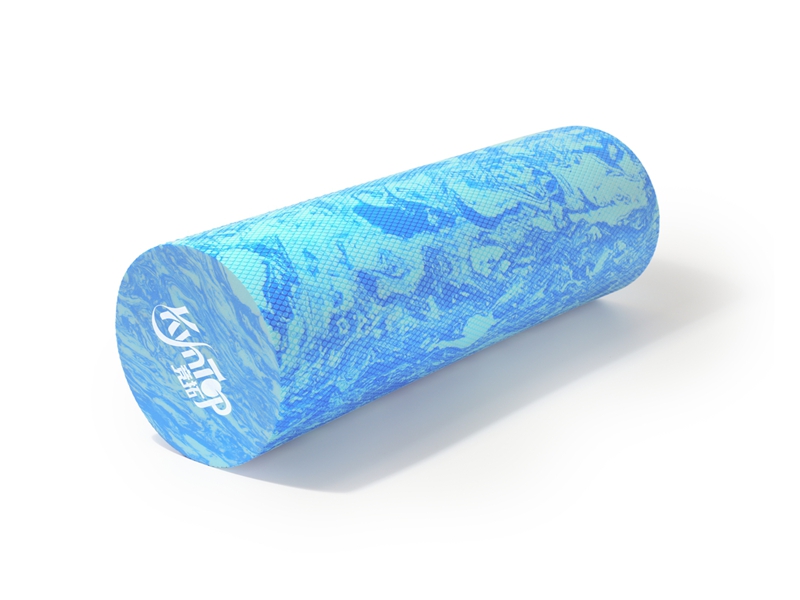
7. Customization Options for Brand Owners
If you are sourcing under your own brand name, customization capabilities are critical. Look for a manufacturer that offers:
- Logo application – eco-friendly EVA ink silk screening (on top or side) or hot stamping for a premium finish
- Custom colors – Pantone color matching for solid colors or camouflage patterns
- Custom packaging – from individual POF shrink film to inner kraft boxes to outer corrugated cartons with your brand marks
- Label and brochure design – complete
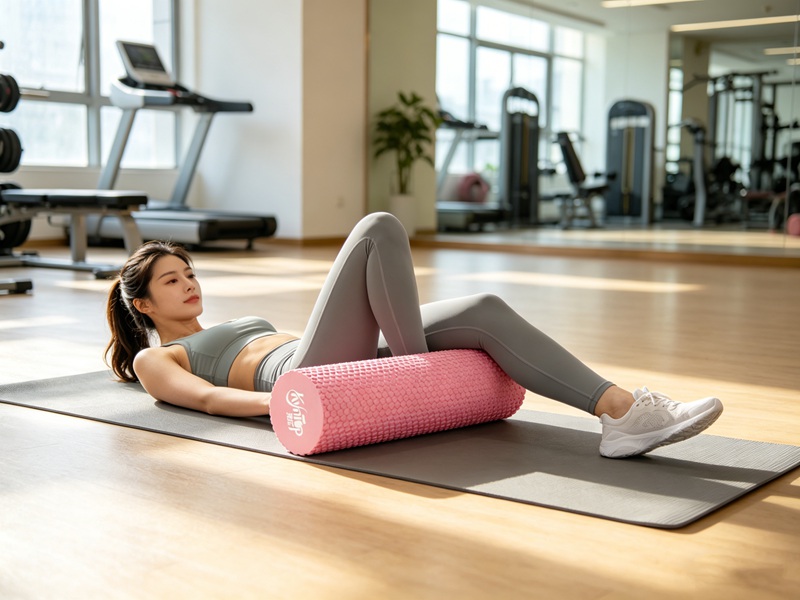
8. Sourcing Checklist for B2B Buyers
Before committing to a supplier, ask these questions:
| Question | Why It Matters |
| Do you use 100% virgin materials? | Ensures quality, durability, and accurate color reproduction |
| Can you reproduce my existing sample? | Shows technical capability and quality control |
| What is your MOQ? | Determines if the supplier fits your order volume |
| Do you offer custom packaging and labeling? | Saves you time and supplier coordination |
| What is your lead time for sampling and production? | Helps you plan your inventory and launch schedule |
| Do you handle container loading (cartons or pallets)? | Simplifies logistics and reduces your workload |
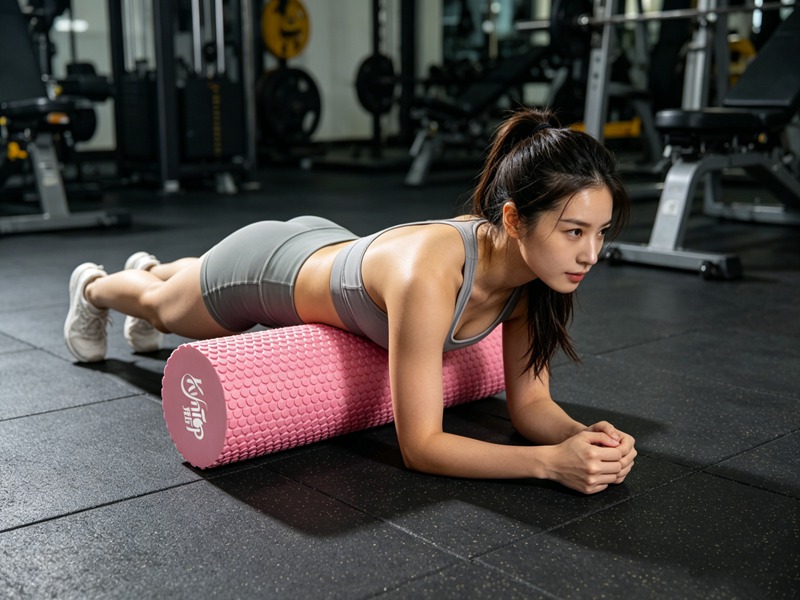
9. Conclusion
Choosing the right foam roller – and the right OEM/ODM manufacturing partner – comes down to understanding the interplay of material quality, construction method, density, texture, and size. For brands looking to stand out in the growing sports recovery market, partnering with a manufacturer that offers 100% virgin materials, integrated molding, and full-service customization from sampling to container loading can provide a significant competitive advantage.
As the market continues to evolve, consumers are becoming more educated about product quality. Investing in premium foam rollers that prioritize durability, safety, and performance will pay off in customer satisfaction and repeat business.
*This guide was prepared by شركة KynTop (Linyi) للمنتجات الرياضية المحدودة., a specialized OEM/ODM manufacturer with over 20 years of experience in high-end foam rollers and sports recovery equipment. For more information or to discuss your sourcing needs, contact us today.*