Email:info@kyntopsports.com
  Cel: +86 159 639 53168 (WhatsApp / Viber/ WeChat)



Steigende Nachfrage nach Lösungen zur Erholung im Sport treibt den globalen Markt für Schaumstoffrollen an
发布时间:2026-03-18浏览量:99
Growing Health Consciousness and Shift Toward Low-Impact Training Reshape the Fitness and Wellness Industry
As health and wellness awareness continues to rise worldwide, the global foam roller market and its broader sports recovery and home fitness segments are experiencing unprecedented growth. According to newly released industry reports, the global foam roller market is projected to reach USD 1.1 billion in 2026 and is expected to grow to USD 2.2 billion by 2033, registering a compound annual growth rate (CAGR) of 10.20% during the forecast period. HNY Research further projects that the foam roller market size will grow from USD 358.02 million in 2025 to USD 722.47 million by 2031 at a CAGR of 12.41%.
This accelerated market growth reflects fundamental shifts in how people approach fitness and recovery.
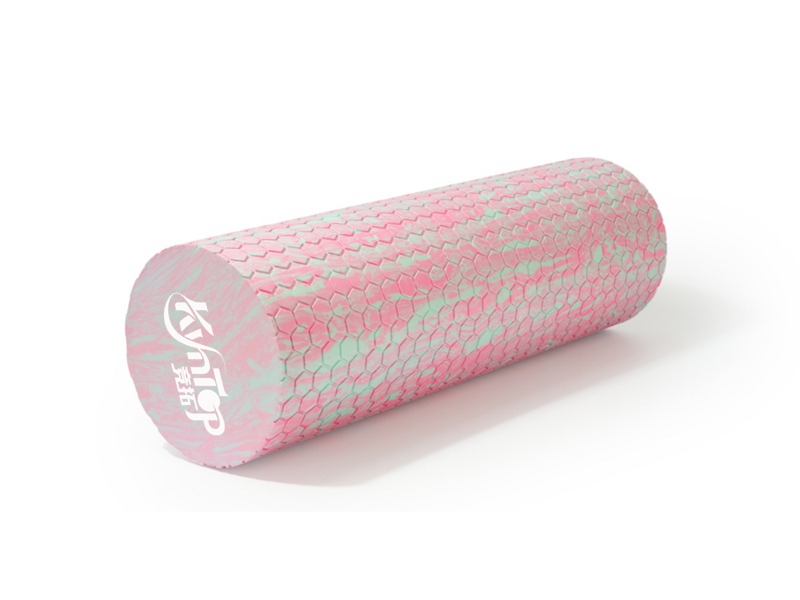
Market Drivers: Health at the Forefront
The increasing emphasis on health and wellness is one of the primary drivers of the foam roller market. As individuals become more health-conscious, they are investing in tools and equipment that support physical recovery and injury prevention. Foam rollers, widely used for self-myofascial release, muscle recovery, and flexibility enhancement, have transitioned from specialized tools used primarily by elite athletes and physical therapists to everyday fitness accessories incorporated into daily routines.
Recent data from the Sports & Fitness Industry Association (SFIA) highlights a significant shift in exercise preferences. Pilates training has grown nearly 40% since 2019, making it the fastest-rising activity in the fitness sector, while yoga continues its upward trajectory with growth of over 20%. Meanwhile, traditional cardio-intensive activities such as indoor cycling (down more than 30%) and elliptical training (experiencing double-digit declines) are fading in popularity.
This consumer pivot toward low-impact strength training, mobility work, and functional health has further accelerated the foam roller’s role as an essential fitness accessory.
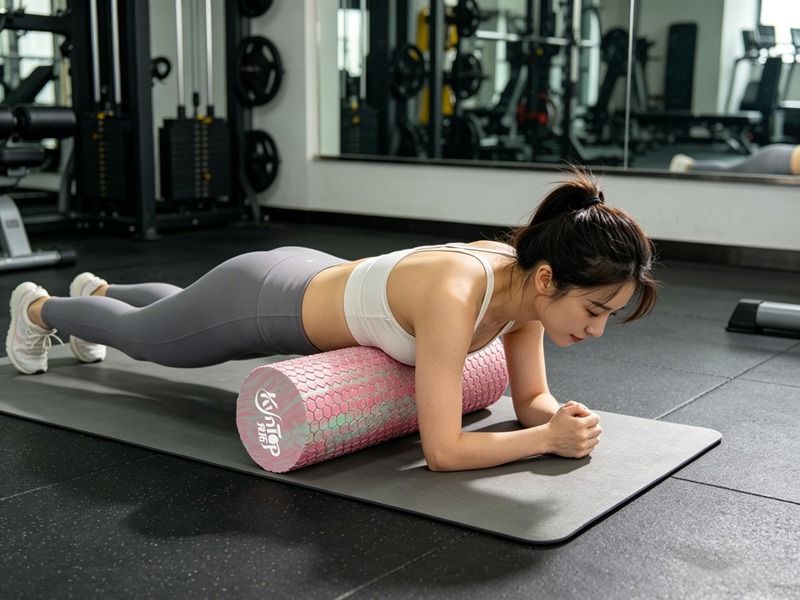
A Surging Wellness Market
The broader wellness economy serves as a powerful tailwind for the sports and fitness industry. According to the Global Wellness Institute‘s “Global Wellness Economy Monitor 2025,” the wellness market reached a record USD 6.8 trillion in 2024 and is projected to hit USD 9.8 trillion by 2029, representing an average annual growth rate of 7.6% over the next five years. The wellness economy has more than doubled in size since 2013.
Within the sports and fitness goods segment specifically, 6Wresearch reported that the global market was valued at USD 58 billion in 2024 and is expected to reach USD 83 billion by 2031, growing at a CAGR of 5.30%. The sporting goods market is projected to reach USD 1.55 billion by 2032, expanding at a CAGR of 9.15%.
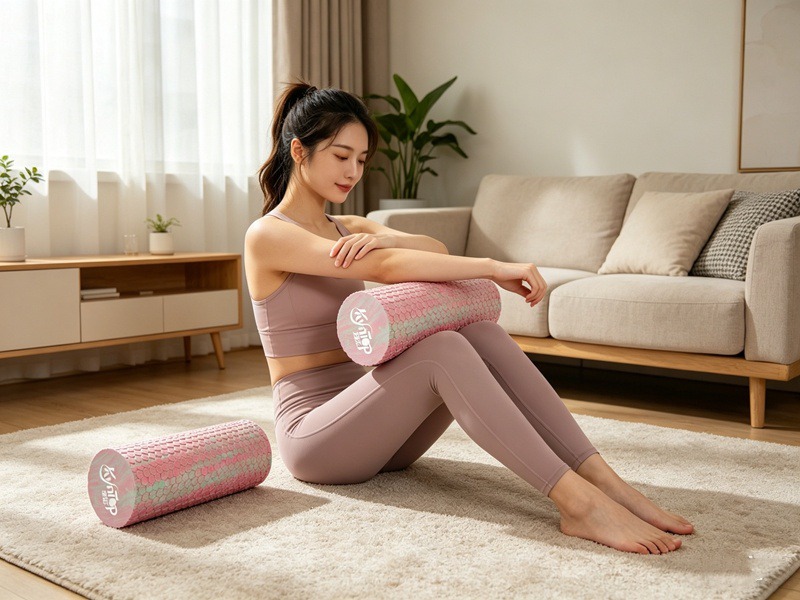
Product Innovation Restructures the Supply Chain
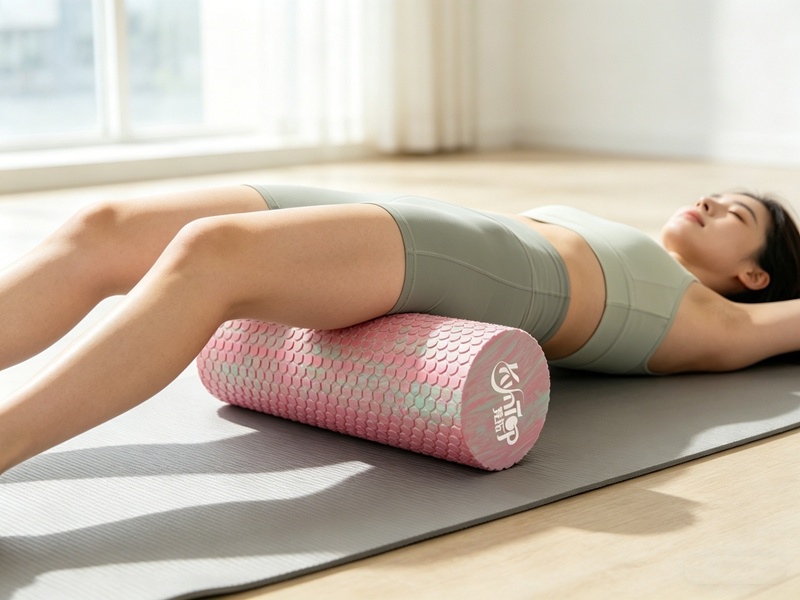
Manufacturers are introducing a broader range of foam roller designs than ever before. New product development focuses on various textures, including smooth surfaces, mesh finishes (both large and small mesh), hexagonal patterns, small bubble points, and other specialized tread patterns to meet the diverse needs of end users. North America currently holds the dominant position in the global foam roller market, supported by a strong fitness culture and well-established sports infrastructure, while Europe maintains a significant market share as consumers continue to favor premium products designed with sustainable materials.
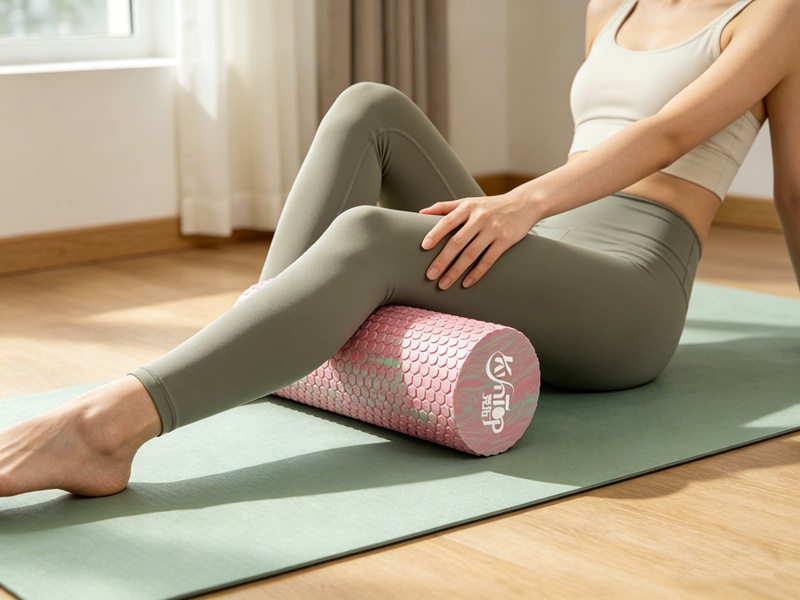
Chinese Manufacturers Poised for Customization Opportunity
Notably, the market’s demand for increasingly custom-tailored equipment presents a meaningful opportunity for Chinese OEM manufacturers who can offer premium, high-quality production services. As the market expands, fitness brands need reliable manufacturing partners capable of customizing multiple product features in a single production run. Chinese OEM suppliers with strong material science expertise, rigorous quality control standards (including the use of 100% virgin material formulations), and the ability to reproduce or upgrade the critical specifications of client samples will be well-positioned to capitalize on this growth.
Regional Outlook
The Asia Pacific region, particularly China and India, is projected to experience the fastest growth in the sports recovery category, driven by urbanization, rising disposable income levels, increased participation in sports and fitness activities, and a growing middle-class population that has become highly engaged with health and wellness culture. As this momentum continues across all regions, the coming years are expected to reshape the global landscape for fitness and recovery equipment, and the foam roller market will play an increasingly central role at the intersection of functional training, injury prevention, and daily wellness.
Source: Industry reports and publicly available data, compiled by KynTop (Linyi) Sports Products Co., Ltd..